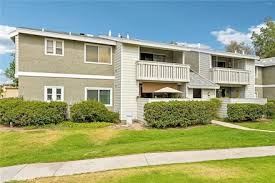
A young firefighter wanted to buy his first home: a condo in Santa Clarita. He had strong credit, planned to put 5% down, and had a clear limit for his monthly housing cost: he wanted to stay below $3,900.
The purchase price was $410,000, with a loan amount of $389,500. The key was building the financing around the payment he was comfortable carrying—not simply starting with the largest loan amount he could qualify for.
Firefighters may earn base pay, overtime, and other forms of additional compensation. In this case, he did not need overtime income to qualify. We reviewed his income under the applicable underwriting and program guidelines, and qualifying without overtime kept his income below the county’s AMI limit.
That mattered because the county AMI limit opened up better pricing for this loan. It avoided a one-point first-time homebuyer loan-level price adjustment (LLPA)—$3,895 in loan pricing on a $389,500 loan. The improvement came from applying the program’s rules to his documented income, not from assuming overtime can always be excluded or that every firefighter will qualify the same way.
We also reviewed a temporary 1-0 buydown. The loan’s note rate was 6.863%. For the first year, the buydown reduced the payment as if the rate were 5.863%, with a monthly subsidy of $254.57. The lender covered the buydown cost.
The estimated all-in monthly housing payment—including principal and interest, taxes, insurance, and the condo HOA—was about $3,500 during the first year. After the temporary buydown ends, the payment is estimated at about $3,755 at the note rate. That remains below his $3,900 limit.
A temporary buydown does not permanently change the note rate. The lower payment applies for the stated buydown period, and the borrower needs to be comfortable with the payment after that period ends. Here, we reviewed both figures before moving forward.
This purchase came together through several details working together: a realistic payment target, strong credit, 5% down, qualifying income that did not need overtime, pricing tied to the county AMI limit, and a lender-paid first-year buydown.
For first-time buyers—especially first responders whose pay can include different types of compensation—it can be worth reviewing the complete scenario before assuming a purchase will or will not fit. The right answer depends on the borrower’s documented income, property costs, loan program, and comfort with the full payment schedule.
If you’re a firefighter or first-time buyer considering a condo, start with the monthly payment you want to carry. Then review your income, down payment, HOA, taxes, insurance, and available loan options together. A careful review can uncover a workable path while keeping the long-term payment in view.
Illustrative case study based on an individual transaction. Rates, pricing, program eligibility, loan terms, and payment amounts are specific to this borrower and property and may not be available to others. The temporary buydown lowered the borrower’s payment for the first 12 months; it did not change the note rate, and the payment increased after the buydown period. Estimated housing costs include principal and interest, property taxes, insurance, and HOA; actual costs vary.
